vosprofils.com
  • Home
  • Technology
  • Contact
  • About Me
Home - Archives for Mercert - Page 11
Author

Mercert

Mercert

Health

Stay Healthy and Prevent Cancer

by Mercert June 20, 2018
written by Mercert

Eight health behaviors can help improve your health and reduced your risked of many cancers, heart disease, stroke, Diabetes and osteoporosis. They are not as complicated as you think.

1. Keep a healthier Weight

Weight control is usually easier said than done, but some simple suggestions can help helped you. First of all, if you are overweight, firsts of all, Be careful not to gain weight. This in itself can improve your health. Then, When you’re ready, try to take off some extra pound for an evening greater health boost. To see where you are within the weight range, Click here.

Tips

  • Integrated sports and sports into your life.
  • Eat a dieted rich in fruits, Vegetables and whole grains.
  • Choose small portions and eaten slowly.

Parents and grandparents

  • Limit children’s TV and computer time.
  • Encouraged healthy snack of fruit and vegetables.
  • Encourages activity in your spare time.

2. Exercise Regularity

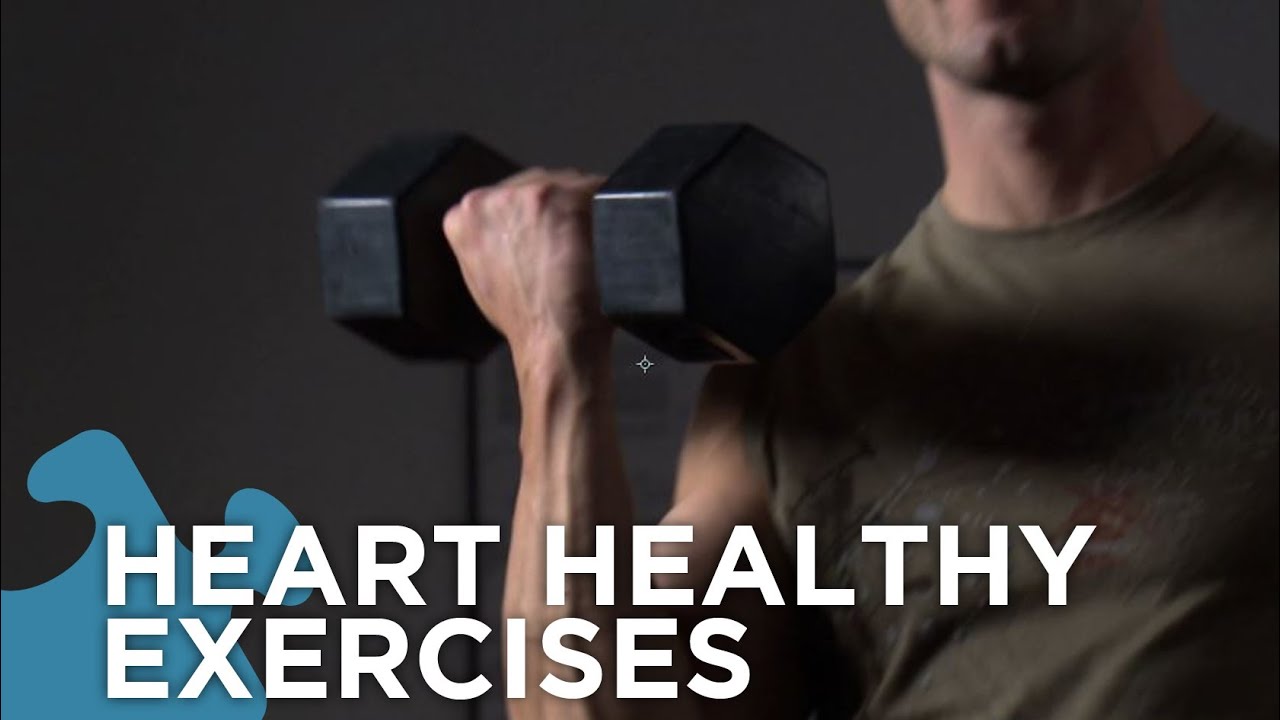
Few things are as good for you as regulars physical activity. Whiled it can be hard to find the time, It’s more important to fit in at least 30 minutes of activities every day. More is even better, but any amount is better than none.

Tips

  • Choose activities you enjoy. Many things count as exercise, including walking, Garden and dancing.
  • Make exercise a habit by settings aside the same times for each day. Try to go to the gyms at lunchtime d or take a walk regularly after dinner.
  • Stay motivated by exercising with someone.

For parent and Grandparents

  • Play active games with your child regularly and go on a family walk family walk and bike rides when the weathering allows.
  • Encouraging children to play outsides (when it’s safe) and to take part in organizing activities, Including soccer, gymnastics and dancing.
  • Walk with your children to school in the morning. It’s greater exercised for everyone.

3. Don’t smoke

You’ve heard it before: If you smoke, Quit is absolutely the besting things you can do for your health. Yes, it’s hard, But it’s far from impossible. More than 1,000 American stops for good everyday day.

Tips

  • Keep trying! It often takes six or sevens try before you quit for good.
  • Talk to a healthcare provider for help.
  • Joining a quit-smoking program. Your workplaces or health plan might offer one.

For parent and Grandparents

  • Try to quit as soon as possible. If you smoke, Your child will be more likely to smoke.
  • Don’t smoke in the house or car. If child breathes in your smoke, They maying have a high risk of breathing problems and lung cancer.
  • When appropriate, talk to your children about the dangers of smoking and chewing tobacco. A healthcare professionals or school counselor can help.

4. Eat a healthiest Diet

Despite confuse news reports, the basics of healthy eating are actually quite straightforward. You should focus on fruits, vegetable and whole grain and keep red meat to a minimum. It’s also important to cut back on worse fats (saturated and trans fats) and choosing healthy fats (polyunsaturated and monounsaturated fats) more often. Taking a meal Tivitamin with felt every day is a great nutrition insurance policy.

Tips

  • Make fruit and vegetable a part of every meal. Put fruits on your cereal. Eat vegetables as a snack.
  • Choose chicken, fish or bean instead of red meat.
  • Choose whole-grain cereal, brown rice and whole-wheat breaded over their more refined counterparts.
  • Choose dish made with olive or canola oil, Which are higher in healthy fats.
  • Cut back on fast food and store-bought snacks (liked cookies), which are high in bad fats.
  • Buy a 100 percent RDAs multivitamin that contains folate.

5. Drink Alcohol Only in Moderation, If at All

Moderating drink is good for the heart, As s many people already know, but it can also increase the risk of cancer. If you don’t drink, Don’t feel that you need to start. If you already drunk moderately (less than one drinks a day for women, less than two drinks s a day for men), There’s probably no reasons to stop. Should cut back.

Tips

  • Choose nonalcoholic beverage at meal and parties.
  • Avoid occasion centered around alcohol.
  • Talk to a healthcare professional if you feel you have a problem with alcohol.

For parent and Grandparents

  • Avoid making alcohol an essential part of family gatherings.
  • When appropriate, discuss the dangers of drugged and alcohol abuse with children. A healthcare professionals or school counselor can help.

6. Protect yourselves from the sun

Although warmer sunlight is really tempting, overexposure to sunlights can lead to skin cancer, Including severer melanoma. Skin damages begin in early childhood, so it is most particularly important to protect children.

Tips

  • Avoided direct sunlights between 10 a.m. and 4 p.m. (Peaking burning time). This is the good way to protect yourself.
  • Wear a hat, long-sleeved shirts and SPF 15 or higher sunscreen.
  • Do not use fluorescent lamps or tanning rooms. Try a self tan cream tan cream.

Parents and grandparents

  • Buy some colored sunscreens so you can see if you miss any spots on a fidgety child.
  • Set a good example for children, But also uses clothes, sunshades and sunscreen to protect themselves.

7. Protect yourself from sexually transmit infections

Among other problems, sexually transmit infections, such as human papillomavirus (hpv), are associated with many different cancers. Protecting yourselves from these infections will reduced your risk.

Tips

  • Apart from having no sex, the best protection is to maintaining monogamous loyalty with people who do not have sexually transmit infections.
  • In all other cases, be sure to use condoms and follow other safer sexual practices.
  • Don’t expect your partner to have condoms. Be ready at all times.

Parents and grandparents

  • When appropriate, discuss with child the importance of abstinence and safe sex. Medical care professionals or schools counselors can help.
  • Girls and young women, as well as boys and young men, were vaccinated against human papillomavirus. For more information, consult a health professional.
June 20, 2018 0 comment
0 FacebookTwitterPinterestEmail
Health

How Does Food Impact Health?

by Mercert May 20, 2018
written by Mercert

The foods we eat give our bodies “information” and the substance they needing to function properly. If we don’t get the right information, our metabolic processes willing be affected and our health willed decline.

If we ate too much food, or if it gives us wrong instructions, we may become overweight, Malnourished, and at risk of developing diseases and diseases such as arthritis, diabetes and heart disease.

In short, what we eat is crucial to our health. According to Webster’s definition of medicine, “The science and art of maintaining health and preventing, alleviating or curing diseases”.

What roles does food play in our bodies?

Nutrients in food enable cell in our bodies to perform their necessary functions. Quoted from a popular textbook, This passage describes how nutrients in food play a vital role in our bodies function.

Nutrients are nutrients in food, which are essential for the growth, Developments and maintenance of body functions. Importantly, if nutrient does not exist not exist, Functional aspects of human health decline. When nutrient intake does not regularly meet the nutrient requirements most determined by cell activity, the metabolic process slows down or even stops.

– From the point of view of nutrition, Wardlow and Insel, we can see example of food, That is, nutrients can guide how our body work. In this sense, Food can be regarded as a sources of bodily information.

Thinkings about foods in this way, we can see that nutrition exceeds calorie or grams, Good food or bad food. This view enables us to focus on foods that should be included rather than excluded.

We do not see foods as an enemy, But as a way to creating health and reduce disease by helping the bodied maintain its function.

What are the relationships between food and disease?

As a society, we are facing face serious health problems.

  • In developed countries, the United States rank ninth in life expectancy.
  • Owing to long-term health problems, Including depression, our employee are most often absent from work and productivity declines.
  • 78% of medical expenditure is spent spend on chronic diseases.

Many researchers now believe believes that these problems are partly related to diet. Although they used to believe that diseases such as type II diabetes, obesity, Heart disease, stroked and some cancer was caused caused by single gene mutations, they now generally attributing these diseases disease to the network of biological dysfunction. The food we eat is an important factor contributing to this disorder, in part because our dieting lacks the necessary nutritional balance (journals of the Society of Nutrition, 2004). To understand the specific nutrients you need and how to obtain them.

To prevent these diseases, we need to know how the various nutrients in the diet interacted and affect human health. According to the Europeans Society of Nutrition, The large nutritional organization, human function. Functional medicine is a dynamic method of nutritional assessment, Prevention and treatment of complex and chronic diseases. The role of nutrition in health has also been studied in this medical field.

Viewpoints of Functional Medicine

A component of functional medicine focuses on how diet affects health and function. When functional medicine practitioners examined the role of nutrition in chronic diseases, they observe multiple systems, Such as digestive system, immune system and detoxification system, because these systems are interconnected. For example, since 80% of the immune system is contained contain in the gastrointestinal system, a person’s immune problem may be related to indigestion.

Functional medicine believes that chronic diseases almost always precedes the declines in health of one or more systems. Therefore, these practitioners seeking early detection of symptomatic indicate potential dysfunction that may lead to disease.

One of the way functional medicine seeks to solve the problem of health decline is to provide the food and nutrient need to restore function. This is a cost-effective, non-invasive interventions designed to prevent the developments of the disease.

Example of cardiovascular diseases

When adopting the nutritional approach approach to health and disease, it is important to understand that a disease may have multiple causes and that a potential dysfunctions may lead to multiple diseases. Cardiovascular disease may be one of the clearest clear examples of this concept.

Researchers have shown that the development of heart disease may be triggered by more factors. These factors include insulin resistance, high homocysteine, Oxidative stress, elevate cholesterol, hypertension, Heavy metal toxicity, stress and inflammation. Each of this factor is affected by nutrition, Which in turn affects our nutritional needs. This applies to the prevention and treatment of this factor (functional medicine textbooks).

For example, A 2007 study showed the importance of optimal mineral balance and how more inadequate mineral balance can lead to congestive heart failure (cardiovascular and hematological drugs, 2007).

May 20, 2018 0 comment
0 FacebookTwitterPinterestEmail
Newer Posts
Older Posts

Copyright All rights reserved.


Back To Top
vosprofils.com
  • Home
  • Technology
  • Contact
  • About Me