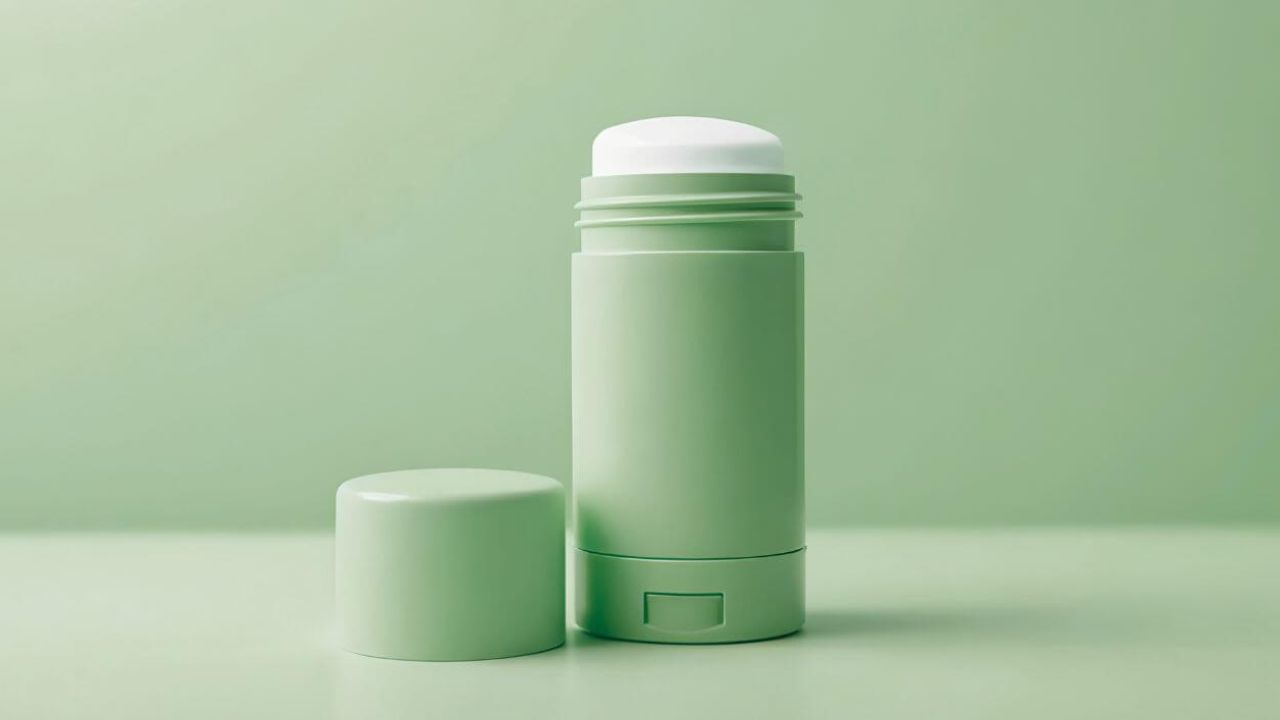
The deodorant brands in the personal care market are no longer being evaluated by their formula alone, as the market has become extremely competitive. Packaging is a very strong communication tool in branding, and surface finishes are important in determining the perception of a product. Once a consumer touches or sees a deodorant container, the surface finish makes a difference in the assumptions that the consumer makes regarding the quality, performance, and brand values. Let’s learn more here about how the ability to choose and carry out the appropriate finishes can bring a brand to a high level of identity and distinguish itself among the rest on the crowded retail shelves.
Impression on Deodorant Packaging
The decision to buy a product is made in seconds among consumers. Surface finishes in that short span of time can be used to create an impression of a deodorant as a high-end, clinical, natural, or lifestyle-oriented deodorant. A matte surface can be used to project sophistication and modernity, whereas a glossy one can be used to project freshness and popularity. Metallic or electroplated finishes usually give signs of luxury and longevity. These visual and physical stimuli create an emotional bond at first sight, which adds to brand positioning prior to the consumption of the product itself.
Haptic and Perceived Quality
In addition to the looks, surface finishes determine the feel of a deodorant container in the hand. The role of texture in perceived quality is not greater, but significant. Soft-touch finishes can produce a high-end and casual feel that is deliberate and luxurious. Well-polished surfaces and a smooth texture would indicate that it is precise in its manufacturing and that it pays attention to detail. The tactile experience of a deodorant, stimulated by regular encounters of the consumer with the product throughout everyday life, helps a brand to form brand impressions that build familiarity and trust in the product.
Surface Finishes in Fit with Brand Personality
Each brand of deodorant has its own personality, so it can focus on luxury, eco-friendliness, dermatological appeal, or youth. Surface finishes allow these abstract brand values to become physical. Minimalist brands, in particular, clean ones, tend to use neutral colors and rough surfaces to show the essence of simplicity and purity. Brands that are sport- or performance-oriented can use bold colors with a semi-gloss finish to convey strength and reliability. Eco-conscious and natural brands often opt for low-key textures that do not contradict their sustainability message. When the finishes are fitting with the brand identity, the packaging will be an extension of the brand story instead of a container.
Promoting Brand Recognition
Coherence is a key to the development of good brand awareness. Surface finishes help in providing an additive visual identity across product lines and markets. By placing the same finish style on various sizes/formats of deodorants, consumers will know at once when they see the brand on the shelf. It is also valuable in supporting long-term brand equity mainly because consistent finishes help customers to, in time, associate some of the textures or visual effects with a particular brand. Such familiarity may, over the course of time, become a source of repeat buying and brand loyalty.
Product Differentiation Tool
Differentiation is vital in saturated deodorant categories. High-end surface finishes enable the brands to stand out without altering the formula. Even simple designs of containers can be improved by applying techniques like hot stamping, metallic effect, or high-quality spray painting. These finishes are communicating value addition and are worth premium prices. In the case of the private-label or new brands, the ability to establish a competitive edge through surface finishes can help such brands compete at a visual level with the established players in the world market.
Promoting Brand Reliability and Product
Surface finishes are not entirely aesthetic, and they also have functional performance advantages. Good finishes can ensure protection of the printed graphics against rubbing off and the surfaces against scratches during transportation and daily usage. Durable finishes will be used to ensure that branding does not fade away during the lifecycle of the product, from factories to the bathroom shelves of consumers. When a deodorant container keeps its look even over time, it makes a good impression on the dependability and quality of manufacture of the brand.
Sustainability and Surface Finish Choices
Since the concept of sustainability is central to the strategies of deodorant brands, the notion of surface finishes needs to be consistent with the objectives of the environment. Finishes that can be used with recyclable substances or using PCR plastics help to strengthen the brand positioning in the eco-friendly category. Minimalistic finishing, which minimizes unnecessary coating or adornments, can also help sustainability communication.
Conclusion
Surface finishes are an effective but usually underestimated aspect of the deodorant packaging design. They create first impressions, affect the sense of touch, convey brand personality, and aid in long-term recognition. Surface finishes, when selected in a strategic way, will enhance the deodorant brand identity by making the packaging a valuable brand attribute and not an essential need. In a style of consumer choice where visual and emotional appeal play a major part in influencing consumer preference, branding with proper surface finish is not merely a design but an essential branding issue.